Table of Contents
- Why Regular Drain Maintenance Matters for Homeowners
- Signs of a Clogged Drain You Should Never Ignore
- How Often to Clean Drains: Maintenance Schedules by Household
- Safe Drain Cleaning Methods for Every Room
- How to Clear a Slow Drain Before It Becomes a Blockage
- DIY Maintenance vs. Professional Drain Cleaning
- How Regular Drain Maintenance Protects Your Home and Wallet
- Conclusion
- Frequently Asked Questions
Last Updated: October 20, 2026
Why Regular Drain Maintenance Matters for Homeowners
Drain maintenance is the routine practice of clearing and inspecting the pipes that carry wastewater out of your home before buildup turns into a blockage.
A drain almost never fails without warning. It gives you weeks of slow drainage, gurgling, and faint odors first.
The benefits stack up fast: fewer clogs, no foul odors, longer pipe lifespan, and no flooded basement on a holiday weekend.
Signs of a Clogged Drain You Should Never Ignore
The clearest sign of a clogged drain is water that pools around your feet and drains slower than it used to, debris is already narrowing the pipe and will keep narrowing until water stops moving entirely.
Gurgling after you run a tap points to air trapped behind a partial blockage. A faint rotten-egg or sewage smell means bacteria are feeding on buildup in the trap or pipe wall.
Early Warning Signs and What They May Indicate
| Warning Sign | What It Usually Means | Urgency |
|---|---|---|
| Water drains slowly | Partial blockage from grease, hair, or soap scum | Address within days |
| Gurgling after use | Air trapped behind a blockage or a venting issue | Inspect soon |
| Foul odors from drain | Bacteria and mold feeding on pipe buildup | Clean and inspect |
| Multiple fixtures draining slow | Likely a main sewer line blockage | Call a professional |
| Water backing up in tub or sink | Advanced blockage, possible water damage risk | Emergency |
| Repeated clogs in one spot | Pipe damage or root intrusion | Professional inspection |
That last row matters most. A drain that clogs again and again within a few months is not a cleaning problem but a pipe condition problem, and no store-bought cleaner will fix it.
How Often to Clean Drains: Maintenance Schedules by Household
Most households should clean high-use drains every one to three months, with a deeper professional inspection every one to two years. But a one-size-fits-all schedule is why so many homeowners either over-clean with chemicals or wait until a drain backs up. The right frequency depends on who lives in the home, how the pipes are built, and what the drains carry.
Match frequency to the household
- Two adults, no pets: every three months for kitchen and bathroom drains; annual professional inspection.
- Families with children: monthly for tub and shower drains, which collect hair and soap scum fast; every two to three months for kitchen drains.
- Homes with long-haired pets: monthly for tubs, utility sinks, and laundry drains; pet hair mats fast once packed into the trap.
- Homes with a garbage disposal: run it with cold water weekly and flush the kitchen drain monthly. Disposals reduce food volume but don't eliminate grease film.
Adjust for pipe material and condition
Pipe age and material change the schedule as much as household size. Older homes with cast iron or clay pipes have rougher interior walls that catch debris, so annual professional inspection is a baseline, not an option. Homes with galvanized steel lines, a history of sewer line repair, nearby tree roots, or prior backups should treat annual professional cleaning as the starting point.
Use warning signs to trigger an early cleaning
The schedule is a floor, not a ceiling. Clean earlier if you notice:
- Water draining slower than it did a month ago
- Gurgling after a tap runs or a toilet flushes
- A faint sewage or rotten-egg smell that returns after cleaning
- Water backing up in a tub or floor drain
Two or three slow drains at once usually points to a main sewer line problem, a call-a-professional signal, not a cleaning reminder.
What routine maintenance actually involves
A realistic maintenance routine is not a monthly chemical treatment. It's a short list of habits: hot-water flushes in the kitchen, hair removal at the bathroom strainer, a cold-water disposal habit, and an annual professional inspection that includes a camera look at the main line if there's any history of backups. That routine lets the inspection catch joint wear, root intrusion, and scale before they become emergency calls.
Safe Drain Cleaning Methods for Every Room
Safe drain cleaning starts with the right tool for the fixture, not the strongest chemical on the shelf.
Kitchen sink
Grease is the main enemy here, and it behaves differently than hair or soap scum. Pour a full kettle of hot water down the drain weekly to melt the grease film before it hardens on the pipe wall. For food particles, use a cup plunger first, then a hand snake if water still pools. Never pour cooking oil or pan drippings down the drain, seal them in a container and trash them.
Bathroom sink
Pull the stopper and clear hair and soap scum by hand first, most bathroom sink clogs sit right at the pop-up assembly. Flush with hot water, then use a hand snake only if the drain still runs slow. Soap scum mixed with toothpaste and shaving cream forms a sticky film a plunger won't move; a barbed plastic hair tool or short hand snake reaches it without chemicals.
Tub and shower
Hair is the dominant clog here, collecting at the strainer and in the trap. Use a hair-catching drain snake or barbed plastic tool before any liquid cleaner. A tub stopper that unscrews gives direct access to the trap, often the fastest path to a hair mass. Avoid chemical drain cleaners in an older tub or shower or cast iron pipes, the heat can stress already-thin joints.
Toilet
A flange plunger handles most toilet clogs and is the only tool most homeowners should use here. Avoid chemical drain cleaners in a toilet entirely: they rarely clear a solid blockage, can damage the wax ring and finish, and if they fail you're left with a bowl of caustic liquid. If a flange plunger fails twice, stop and call a professional, a toilet auger can crack a porcelain trap.
Utility and laundry sink
These sinks collect lint, detergent residue, and dirt from work clothes, and often drain into a standpipe or laundry tub trap that clogs quietly. Flush monthly with hot water and pull the lint screen or clean the trap if your setup allows. Avoid chemical cleaners in a laundry standpipe, residue can splash back and fumes are strong in a small utility room.
Outdoor and floor drains
Outdoor, basement floor, and garage trench drains collect leaves, dirt, and grit. Clear the grate by hand, flush with a garden hose, and check the trap has water in it, a dry trap lets sewer gas into the home. Don't pour grease or chemical cleaners into a floor drain; the trap is shallow and the cleaner sits there.
Which steps to skip and call a professional for
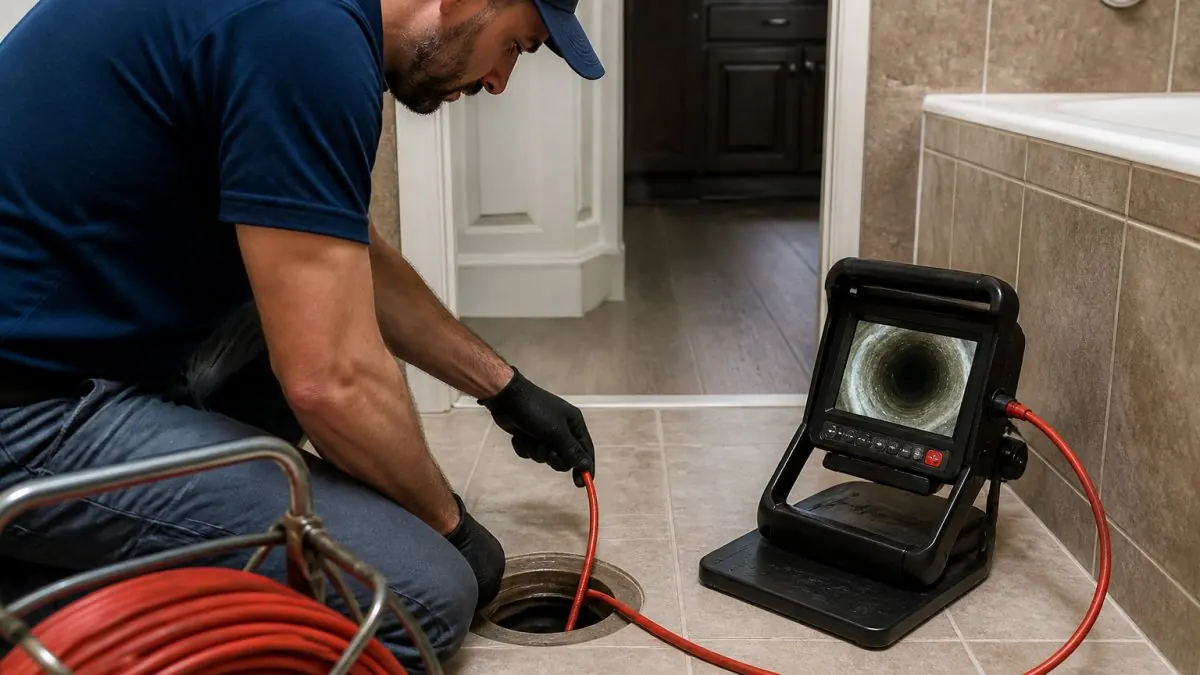
Some jobs are safe for a homeowner with a plunger and hand snake; some are not. Call a licensed plumber if the clog is past the trap, multiple fixtures back up at once, you see water around a toilet base or under a sink, the drain has backed up more than once in a few months, or your home has older cast iron, clay, or galvanized pipes a snake could damage.
How to Clear a Slow Drain Before It Becomes a Blockage
Clearing a slow drain early takes about 15 minutes and costs almost nothing. Start with the gentlest method and escalate only if water still pools.
- Boil a full kettle of water. Pour it down the drain in two stages, waiting a minute between pours. This melts grease and soap film.
- Try a cup plunger. Seal the overflow hole with a wet rag first so pressure goes down the drain, not out the overflow. Give it 10 to 15 firm plunges.
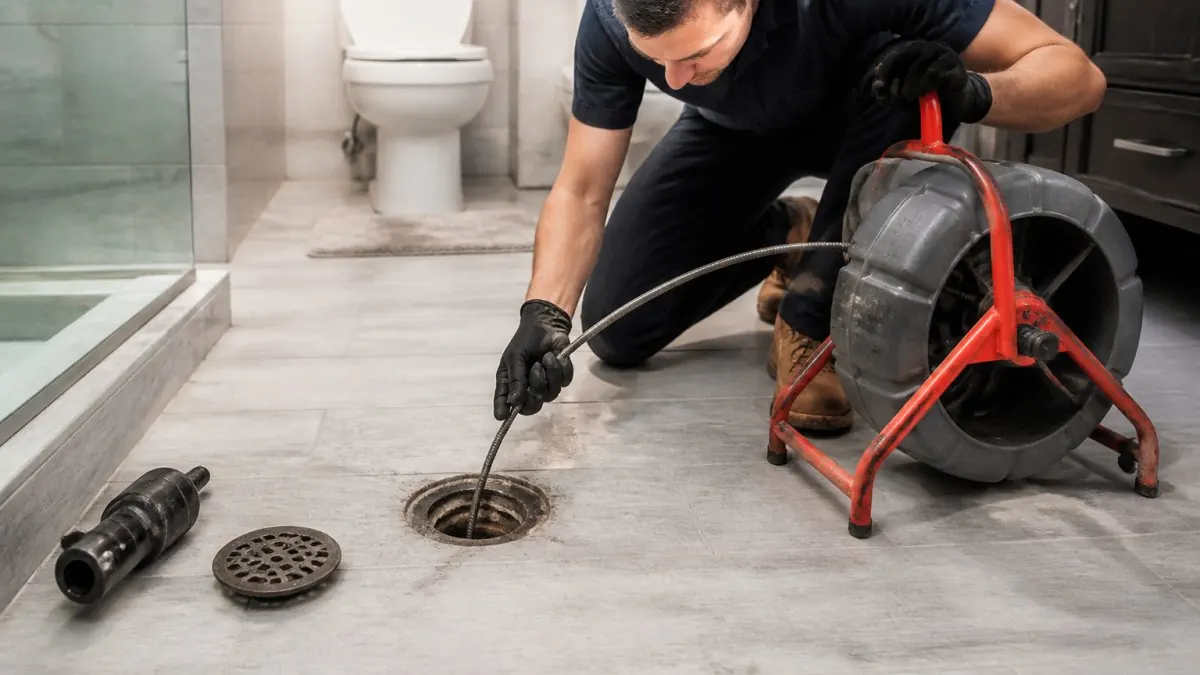
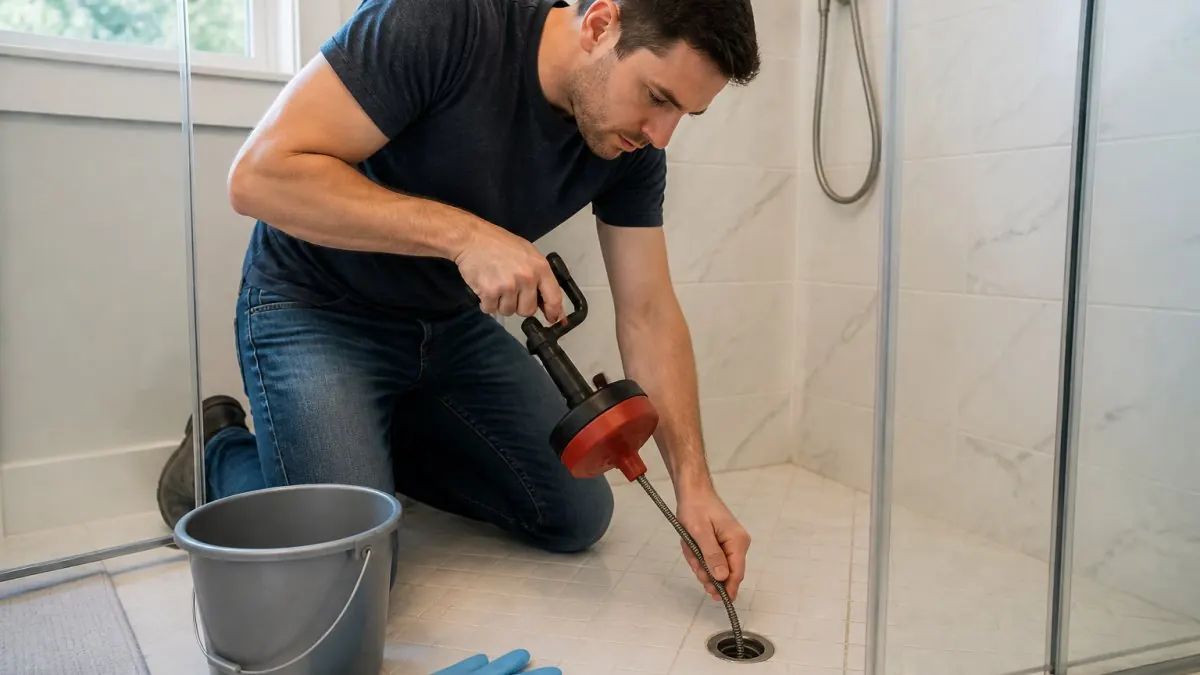
- Run a hand snake. Feed a manual drain snake 12 to 18 inches into the drain and crank it through the blockage. Pull it back slowly to bring debris with it.
- Flush and test. Run hot water for two minutes and watch the flow. If it still drains slowly, the blockage is deeper than the trap.
- Stop and call. Repeated slow drainage after these steps usually means buildup or damage further along the pipe. That's a job for a professional inspection.
DIY Maintenance vs. Professional Drain Cleaning
DIY drain maintenance handles surface buildup and single-fixture clogs. Routine DIY care plus an annual professional visit is usually cheaper than repeated emergency calls.
When should you call a pro rather than reach for the snake?
- Multiple fixtures draining slow at once
- Sewage smell that returns after cleaning
- Water backing up into a tub or floor drain
- A clog that returns within weeks
- Any sign of water around the base of a toilet or under a sink
At Rich's Plumbing Heating & Air Conditioning, our licensed and insured technicians handle drain blockages and offer free estimates for most services, with emergency availability when a clog turns into a backup.
How Regular Drain Maintenance Protects Your Home and Wallet
Routine drain maintenance keeps wastewater flowing freely, preventing the chain reaction that starts with a blockage and ends with water damage. When a drain backs up, water finds the weakest point: a cabinet base, a floor seam, or a ceiling below.
The financial logic is straightforward. Regular cleaning removes grease, hair, and soap scum before they harden into pipe buildup, meaning less strain on the plumbing system, fewer emergency calls, and a longer pipe lifespan.
Conclusion
The challenge with drain maintenance isn't knowledge, it's consistency. Most homeowners know a slow drain is a warning, but life gets busy and the warning gets ignored until water is on the floor.
That's where we come in. Rich's Plumbing Heating & Air Conditioning offers a fast 60-minute response time for urgent drain blockages, licensed and insured technicians, and a 100% satisfaction guarantee on every job.
Frequently Asked Questions
What are the benefits of regular drain maintenance?
Regular drain maintenance keeps wastewater flowing freely and reduces the chance of clogs, foul odors, and water damage. It also extends the lifespan of your drain pipes and helps you catch small problems before they become emergency plumbing calls. Homeowners who clean drains on a routine schedule often avoid costly repairs and protect their property value over time.
How often should homeowners have their drains cleaned?
Most households do well with a routine cleaning every one to three months for high-use drains like kitchen and bathroom sinks. Homes with older pipes, heavy cooking grease, or long hair may need more frequent attention. A professional plumbing inspection once a year can confirm whether your drain pipes need deeper cleaning.
Is it safe to use chemical drain cleaners regularly?
Chemical drain cleaners can damage older pipes and are not a safe long-term solution. They may corrode pipe walls and do not always remove the full blockage. Safer drain cleaning methods include a plunger, a drain snake, or a mixture of hot water and dish soap. For stubborn clogs, a licensed plumber can clear the line without harming your plumbing system.
When should a slow drain be handled by a plumber?
Call a plumber if a slow drain returns after you clear it, if multiple fixtures drain slowly at once, or if you notice gurgling sounds or sewage smells. These signs of a clogged drain can point to a deeper blockage in the sewer line. A professional can inspect the pipe and clear the problem before it causes water damage or flooding.