
Last Updated: October 31, 2026
Quick Summary
Common causes of basement flooding in East Brunswick include groundwater seepage and hydrostatic pressure, heavy rain and snowmelt, sump pump failure, foundation cracks, failed drain tile, poor exterior grading, frozen or burst pipes, plumbing leaks, and sewer backup. Clay-heavy soil and aging housing stock make these problems worse. Finding the source is the first step toward a lasting fix.
- Clay-heavy soil that sheds water slowly is a common cause of wet basements in the region.
- Test your sump pump by pouring a bucket of water into the pit and confirming it drains quickly.
- Soil should slope away from the house at roughly a 6-inch drop over the first 10 feet.
- Clear water points to a supply line or groundwater, while dirty water points to sewer or drain issues.
- Clean gutters and confirm downspouts carry water at least 6 feet from the wall.
Table of Contents
- Why Basements in East Brunswick Flood So Often
- 1. Groundwater Seepage and Hydrostatic Pressure
- 2. Basement Flooding After Heavy Rain and Snowmelt
- 3. Sump Pump Failure and Basement Flooding
- 4. Foundation Cracks, Drain Tile Problems, and Poor Exterior Grading
- 5. Frozen and Burst Pipes, Plumbing Leaks, and Sewer Backup
- How to Tell Where the Water Is Coming From
- How to Prevent Basement Flooding Before the Next Storm
- Frequently Asked Questions
Why Basements in East Brunswick Flood So Often
Water in your basement almost always comes from one of a handful of sources, and finding that source is the difference between a quick fix and a recurring nightmare. Finding the source of basement water is the first step toward a lasting fix. The common causes of basement flooding in East Brunswick rarely appear out of nowhere. They build up quietly over seasons.
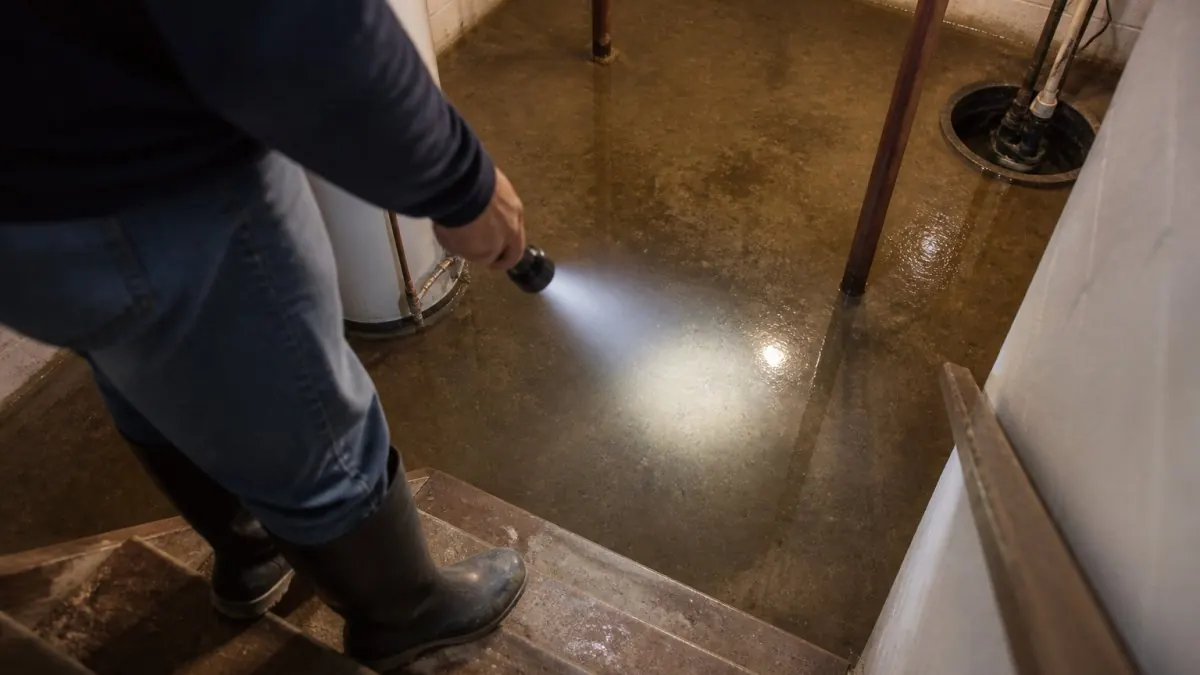
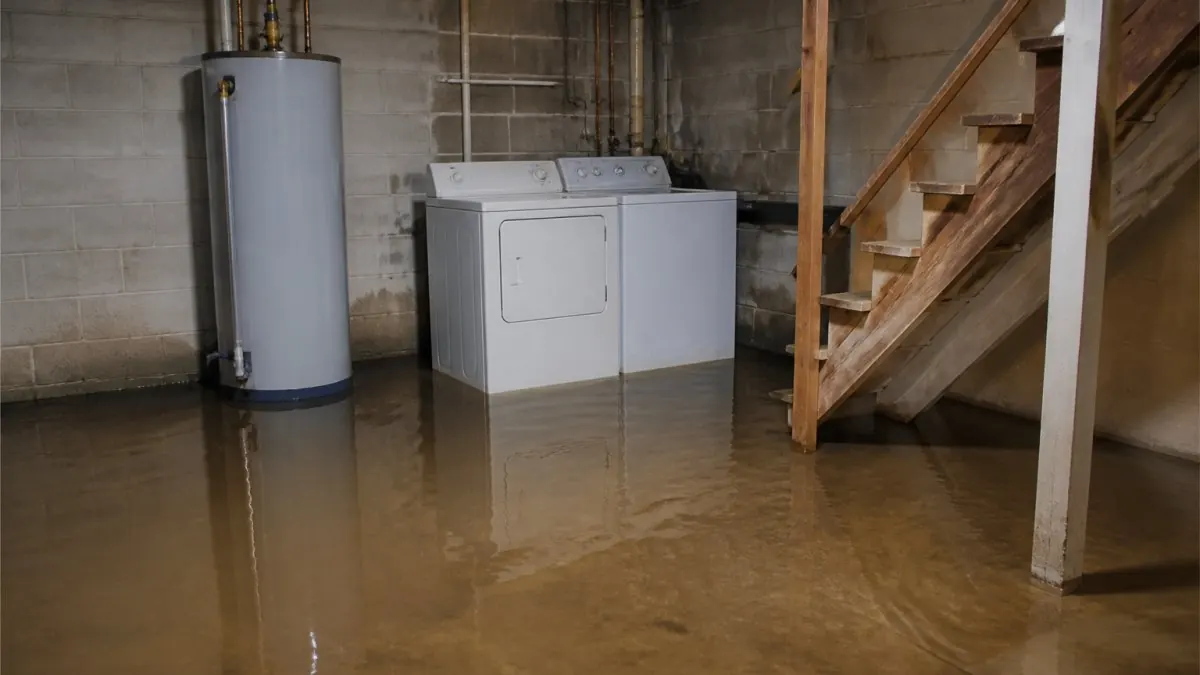
Clay-heavy soil, which sheds water slowly, is a common cause of wet basements in the region. Add aging housing stock, tree roots in old drain lines, and nor'easters that dump inches of rain in hours, and you have a recipe for wet floors. Below, we break down the most common causes of basement flooding and how to tell them apart.
1. Groundwater Seepage and Hydrostatic Pressure
Hydrostatic pressure is the force wet soil exerts against your foundation walls. When the ground around your home stays saturated, that pressure pushes water through the tiniest pores in concrete.
Groundwater seepage usually shows up as damp patches low on the wall, white chalky stains, or a musty odor that never quite leaves. It gets worse after long wet spells. The fix is rarely just paint. You need to manage the water before it reaches the wall.
- Check for dampness along the base of walls
- Look for white mineral deposits on concrete
- Note if the smell gets stronger after rain
2. Basement Flooding After Heavy Rain and Snowmelt
Basement flooding after heavy rain follows a predictable pattern. The ground can only absorb so much, and the rest runs toward your house.
Spring snowmelt adds another layer. Frozen ground can't soak up melting snow, so it pools against foundations. Storm events overwhelm gutters and grading. If your basement only floods during big storms, the cause is almost always surface water management, not a plumbing leak.
3. Sump Pump Failure and Basement Flooding
Sump pump failure is one of the most common reasons basements flood. The pump sits in a pit and moves water out before it rises. When it dies, the pit fills fast.
Common reasons a sump system quits:
- Power outage during the storm that needs it most
- A stuck float switch
- A clogged intake screen full of mud and debris
- A pump too small for the volume of water
Test your pump by pouring a bucket of water into the pit. It should kick on and drain quickly. If it hums but doesn't move water, call a pro.
4. Foundation Cracks, Drain Tile Problems, and Poor Exterior Grading
Water finds every gap, and in older housing stock the gaps multiply. Foundation cracks, failed drain tile, and bad exterior grading are three separate pathways that often work together to funnel water into the same basement corner. Treating one without the others usually means the water simply reroutes. Comprehensive remediation requires a systematic approach to fix basement moisture before these interconnected vulnerabilities lead to structural compromise.
Foundation cracks. Concrete shrinks as it cures, and hairline cracks are normal. The problem is what they let through. A vertical crack in a poured wall is often a shrinkage crack; a stair-step crack in a block wall usually points to settlement or lateral soil pressure. Either way, water rides the crack and shows up as a damp streak or a white efflorescence bloom on the interior face. Otherwise hydrostatic pressure just finds the next weak point.
Drain tile (footing drain) failure. Drain tile is the perforated pipe that runs around your footing to carry groundwater away from the wall. In older homes it may be clay tile or even a gravel-filled trench; in newer homes it is perforated PVC wrapped in filter fabric. When silt, roots, or collapsed sections block the pipe, water backs up against the foundation and rises through the slab-wall joint. Telltale signs: water entering low along the wall base after rain, a damp ring around the perimeter, or a floor drain that gurgles when it rains.
Poor exterior grading. Soil should slope away from the house at roughly a 6-inch drop over the first 10 feet. When backfill settles, the slope reverses and every rain sends water into the same low spot against the wall. Downspouts that discharge within a few feet of the foundation make it worse. A common pattern is a downspout that dumps onto a negative-grade bed, concentrating roof runoff exactly where the wall is weakest.
FEMA guidance on foundation drainage and grading
5. Frozen and Burst Pipes, Plumbing Leaks, and Sewer Backup
A burst pipe can dump hundreds of gallons into a basement before you notice. Freezing pipes are the usual culprit. Water expands as it freezes and splits the pipe, then floods when it thaws.
Plumbing leaks from worn supply lines or failing water heaters cause slow, hidden damage. Sewer backup is different. It can push dirty water up through the floor drain when the main line clogs.
Watch out: sewer backup is a health hazard, not just a mess. Keep out of the water and call a pro. For steps to protect your home, read our guide on preventing sewage backup in basement. If a pipe has already burst, our article on what to do if pipes burst in winter walks you through shutting off the water and limiting damage.
How to Tell Where the Water Is Coming From
Diagnosing the source saves you money. Use this checklist before you call anyone:
- Is the water clear or dirty? Clear points to a supply line or groundwater. Dirty points to sewer or drain issues.
- Is it near a wall, the floor drain, or under a fixture?
- Does it appear only during rain, or all the time?
- Is the sump pit full?
- Does the water smell musty or like waste?
If you can't find the source, shut off the main water valve to stop supply-line water. Our step-by-step guide on how to shut off the main water valve shows exactly where to look and what to turn. Then call a licensed plumber for a proper diagnosis.
Use these clues to narrow down which of the common causes is behind the water in your basement.
| Clue | What it suggests |
|---|---|
| Water is clear | Supply line or groundwater |
| Water is dirty | Sewer or drain issues |
| Water appears only during rain | Surface water or groundwater |
| Sump pit is full | Sump pump failure |
| Smell is musty or like waste | Sewer backup or long-term damp |
| Water is near a wall, floor drain, or fixture | Points to the source location |
How to Prevent Basement Flooding Before the Next Storm
Prevention comes down to a short, repeatable maintenance schedule timed to the seasons that actually stress a basement here: spring snowmelt and nor'easters, summer thunderstorms, and the fall freeze. The goal is to catch a failing component before the storm that needs it.
Monthly
- Test the sump pump by pouring a bucket of water into the pit. It should kick on, drain quickly, and shut off cleanly. If it hums without moving water, the impeller or intake is blocked.
- Check the discharge line outlet. It should discharge well away from the foundation and slope downhill so residual water drains out and does not freeze in the line.
Seasonally (spring and fall)
- Clean gutters and confirm downspouts carry water at least 6 feet from the wall, ideally onto a splash block or into a buried leader that daylights downhill.
- Walk the perimeter and check exterior grading. Add soil where backfill has settled so the slope still drops away from the house.
- Clear floor drains and any area drains of debris so they can accept water during a storm.
Each fall, before the first freeze
- Insulate exposed pipes in unheated spaces and seal drafts that let cold air reach supply lines.
- Disconnect garden hoses and shut off interior valves to hose bibs so the line cannot freeze and split.
- Confirm the sump discharge line is clear and pitched so it does not hold water that freezes.
Each spring, after the thaw
- Recheck exterior grading and downspout discharge for winter settlement.
- Have a plumber inspect drain tile and look for new foundation cracks or efflorescence.
- Test the sump pump again; a pump that sat idle all winter is the one most likely to fail on the first big rain.
Yearly
- A backwater valve is cheap insurance against sewer backup during a storm.
A small amount of upkeep beats a flooded basement cleanup every time. When water does get in, fast action limits mold and water damage. If flooding starts and you need help now, contact our emergency team for a response within our 60-minute window.
Frequently Asked Questions
What causes a basement to flood?
Most basement flooding traces to one of a few sources: groundwater seeping through foundation cracks under hydrostatic pressure, heavy rain overwhelming exterior grading and drain tile, a failed or undersized sump pump, or plumbing problems like a burst pipe or sewer backup. In East Brunswick, the mix of clay-heavy soil, spring snowmelt, and older drain systems makes groundwater and sump pump failure the two most frequent culprits. Identifying which one applies to your home is the first step toward a permanent fix rather than a repeat patch.
Can a failed sump pump flood a basement?
Yes. A sump pump failure is one of the most common causes of basement flooding during storms. Pumps fail when power goes out, the float switch sticks, the discharge line freezes or clogs, or the unit is simply too old and underpowered for the volume of water. If your pump runs constantly during heavy rain or you hear it cycling without moving water, have it tested before the next storm. A battery backup and a properly sized unit are the two upgrades that prevent most failures.
Does homeowners insurance pay for basement flooding?
Coverage for basement water damage depends on the policy, so ask your insurer what applies to your situation. Flood damage from storms typically requires a separate flood policy. Document everything before cleanup: photograph standing water, damaged items, and the water line on walls. Keep receipts for water removal and drying. Call your insurer early and ask specifically what your policy covers so you know which costs to submit.
How can I prevent basement flooding during a storm?
Start outside: clear gutters, extend downspouts at least 6 feet from the foundation, and regrade soil so it slopes away from the house. Test your sump pump before storm season, add a battery backup, and have the discharge line checked for freezing. Inside, keep floor drains clear. A maintenance schedule that covers gutters in fall, grading in spring, and a pump test before heavy rain prevents most water intrusion before it starts.
A wet basement is stressful, but you don't have to face it alone. Rich's Plumbing Heating & Air Conditioning is family owned and has served the area since 1989, with a 60-minute response time for urgent calls and licensed, insured technicians. We offer free estimates on most services, emergency availability, and a 100% satisfaction guarantee. Get started with Rich's Plumbing Heating & Air Conditioning and keep your basement dry before the next storm hits.